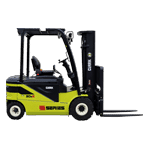
 Electric Forklifts
 Electric Crossover Forklift
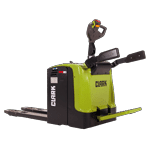 Pallet Trucks
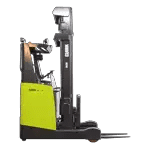 Reach Trucks
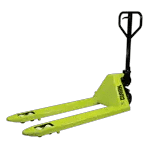 Hand pallet trucks
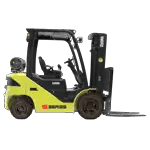 Diesel or LPG Drive powered forklifts
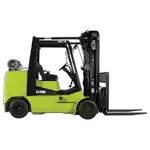 Compact forklift trucks with LPG drive
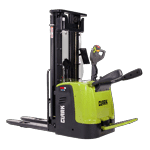 Stacker Trucks
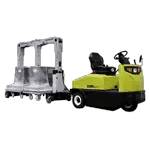 Tow Trucks
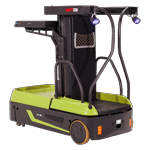 Order Picker
Common Forklift Problems and How to Diagnose Them
Even well-maintained forklifts develop faults. Knowing how to identify common problems quickly can prevent minor issues from becoming major breakdowns and helps you communicate effectively with engineers when you need support. This guide covers the faults our team sees most frequently.
1. Hydraulic system issues
Symptom: Mast rising slowly or failing to reach full height
This is usually caused by low hydraulic fluid, a worn hydraulic pump, a clogged hydraulic filter, or a faulty control valve. Check the fluid level first — if it is correct, the pump or filter is the likely cause.
Symptom: Mast drifting down under load
Mast drift indicates a leak past the lift cylinder seals, a faulty lowering valve, or contamination in the hydraulic fluid. This is a safety-critical issue — the truck should be taken out of service until investigated.
Symptom: Visible hydraulic fluid leaks
Leaks around cylinder seals or hose connections typically indicate worn seals or damaged hoses. Minor leaks should be monitored; significant leaks require immediate attention.
2. Battery and electrical issues (electric forklifts)
Symptom: Reduced run time or power
This is usually a sign of battery ageing, sulphation (a build-up on the battery plates from undercharging), or a failing cell within the battery. A battery discharge test will identify the issue.
Symptom: Truck not charging or charger fault light
Check the charger connections and fuses first. A charger fault can sometimes indicate a battery problem rather than a charger failure. If the battery is warm to the touch after charging, cell failure is likely.
Symptom: Truck cutting out under load
This can indicate a failing battery, a loose battery connection, or an overheating motor. Check connections and have the battery tested.
3. Braking problems
Symptom: Soft or spongy brake pedal
Often caused by air in the brake hydraulic system, low brake fluid, or a failing master cylinder. Braking issues are safety-critical — take the truck out of service and have it inspected.
Symptom: Truck pulling to one side when braking
Suggests uneven brake wear or adjustment, or a sticking brake caliper on one side. This also requires prompt attention.
4. Engine problems (diesel and LPG forklifts)
Symptom: Excessive exhaust smoke
Black smoke indicates over-fuelling or a blocked air filter. Blue smoke suggests oil burning, often caused by worn piston rings or valve seals. White smoke on startup in cold conditions is normal; persistent white smoke can indicate a head gasket issue.
Symptom: Engine overheating
Check coolant level, radiator cleanliness, and the condition of the thermostat. Dusty environments often clog the radiator quickly — regular cleaning is important.
5. Steering problems
Symptom: Heavy or unresponsive steering
On electric power steering, this can indicate a faulty steering motor or low battery. On hydraulic systems, check the power steering fluid level and pump function.
6. Tyre issues
Symptom: Truck vibrating during travel
Vibration often indicates chunked or unevenly worn solid tyres, or low pressure in pneumatic tyres. Inspect the tyres carefully — damaged solid tyres need replacement.
When to call an engineer
Any fault that affects braking, steering, mast function, or operator safety should result in the truck being taken out of service immediately. Do not attempt to operate a forklift with a known safety-critical defect. Contact Davison Forklift on 01952 915 060 for rapid-response breakdown support.